If you work in food production, catering, or any environment where hygiene matters more than someone’s opinion in a meeting, you already know that not all handling equipment is created equal. The food grade mobile tapered trucks available from Spill Containment UK sit firmly in the category of “quietly essential equipment” that keep operations moving without creating extra problems.
This guide breaks down what makes these trucks useful, where they actually earn their keep, and why they are more than just large plastic containers on wheels.
What Are Food Grade Mobile Tapered Trucks?
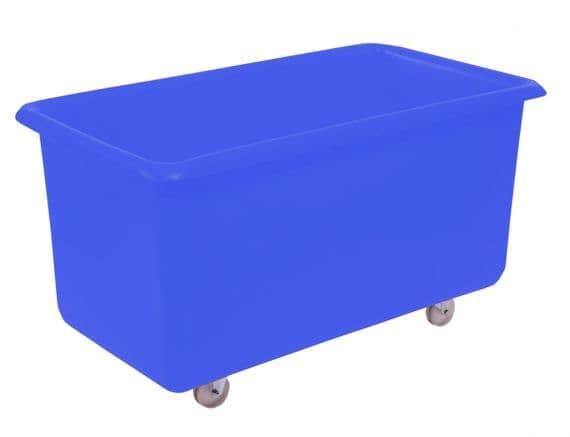
Food grade mobile tapered trucks are heavy-duty containers designed to transport materials safely and hygienically. These units are manufactured from food-approved polyethylene, making them suitable for direct or indirect contact with food products while remaining robust enough for industrial use.
They combine three things most operations desperately need:
- mobility
- hygiene
- durability
And somehow manage to do it without unnecessary complexity.
Key Features That Actually Matter
Hygienic, Food-Safe Construction
These trucks are made from food-approved, UV stabilised polyethylene, ensuring they are suitable for regulated environments and resistant to wear over time.
Smooth internal surfaces reduce the risk of contamination and make cleaning quicker and more effective.
Wide Temperature Tolerance
Designed to operate across a broad temperature range, these trucks can handle chilled storage, ambient conditions, and warmer production areas without becoming brittle or misshapen.
Watertight and Easy to Clean
The watertight design prevents leaks, which is particularly useful when handling liquids, food waste, or wet ingredients.
In practice, this means fewer spills and less time spent dealing with avoidable mess.
Tapered, Stackable Design
The tapered shape allows the trucks to nest inside one another when empty, saving storage space and making them easier to transport in bulk.
This is one of those features that seems minor until storage space becomes a problem.
Range of Sizes and Capacities
These trucks are available in a variety of capacities, from compact units for smaller workspaces to larger options suited to high-volume operations.
Typical Uses Across Industries
1. Food Production and Processing
These trucks are ideal for moving raw ingredients, prepared foods, or waste between stages of production. Their hygienic construction supports compliance with food safety standards while reducing contamination risk.
They are particularly useful in:
- meat and poultry processing
- bakery operations
- fresh produce handling
2. Commercial Kitchens and Catering
In busy kitchens, efficiency is everything. These trucks allow staff to move bulk ingredients, waste, or equipment quickly without constant lifting.
They also help reduce manual handling strain, which is something health and safety teams tend to care about quite a lot.
3. Warehousing and Retail
Beyond food environments, these trucks are widely used in warehouses and retail settings for general material handling.
From stock movement to waste collection, they provide a simple and durable solution that does not require complicated training.
4. Laundry and Facilities Management
Not glamorous, but necessary. These trucks are commonly used for transporting linens, uniforms, and cleaning materials in hospitality and healthcare environments.
Practical Benefits in Day-to-Day Operations
Reduced Manual Handling
Mounted on swivel castors, these trucks allow heavy loads to be moved with minimal effort. This reduces strain on staff and improves workflow efficiency.
Improved Organisation
Different colour options make it easier to separate materials, whether that is ingredients, waste, or different stages of production.
Space Efficiency
Because they are stackable and nestable, they take up far less room when not in use, which matters more than most businesses admit.
Optional Enhancements
Accessories such as lids or support frames can be added depending on operational needs, offering additional protection and durability.
Choosing the Right Model
Not every operation needs the largest unit available, despite the temptation to overbuy “just in case”.
Consider:
- Capacity requirements: smaller kitchens benefit from compact units, while industrial sites may need larger capacities
- Space constraints: larger models require more room to manoeuvre
- Load type: liquids, solids, or mixed materials may influence your choice
A sensible approach is to match the truck size to your typical workload rather than planning only for rare peak scenarios.
Final Thoughts
Food grade mobile tapered trucks from Spill Containment UK are not particularly exciting. They are not supposed to be. What they are is reliable, hygienic, and efficient, which is exactly what most workplaces actually need.
They solve a very specific problem: moving materials safely and easily in environments where mistakes can be costly. And they do it without fuss, which is more than can be said for most equipment purchases.
If your current setup involves awkward lifting, messy transfers, or containers that have clearly had a long and questionable history, upgrading to purpose-built equipment like this is less of an upgrade and more of a correction.